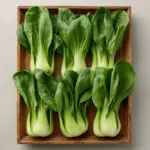
Description
Discover the unique flavor profile of bok choy with this simple guide to tasting both raw and cooked bok choy. Experience the crisp, slightly peppery bite of raw bok choy stems and leaves, then enjoy a tender, mellow sautéed version enhanced with a touch of oil and salt. Perfect as a light side dish, this recipe highlights bok choy’s versatility and subtle earthiness in Asian-inspired cuisine.
Ingredients
Scale
Ingredients
- 1 head baby bok choy or regular bok choy (for tasting or testing)
- 1 tablespoon olive oil or sesame oil (optional, for cooking)
- Pinch of salt (optional)
Instructions
- Prepare the Bok Choy: Rinse the bok choy leaves thoroughly under cold water to remove any dirt. Trim the base of the bok choy and then separate the stalks to explore both the white stems and green leafy tops individually.
- Taste Raw Bok Choy: Sample the crunchy white stems first, noticing the mild, juicy texture and slightly peppery bite. Then taste the leafy green tops, which are softer and have a gentle bitterness, similar to spinach or cabbage.
- Heat the Oil: Warm a skillet over medium heat and add olive oil or sesame oil. Let the oil heat until shimmering but not smoking.
- Sauté the Bok Choy: Chop the bok choy into manageable pieces and add them to the hot skillet. Cook for 3 to 5 minutes, stirring occasionally until the bok choy stems become tender and the leaves wilt, developing a tender and slightly sweet flavor with earthy undertones.
- Season: Add a pinch of salt to the sautéed bok choy to enhance its natural flavors. Stir briefly and remove from heat.
Notes
- Raw bok choy offers a clean, crisp texture with a mildly peppery flavor.
- The white stalks are juicy and mild, while the green leaves carry a softer, slightly bitter taste.
- Cooking bok choy mellows its flavor, bringing out sweetness and earthiness while softening the texture.
- For added flavor, try using sesame oil for sautéing.
- Bok choy pairs well with a variety of Asian dishes or can be enjoyed simply as a light side.