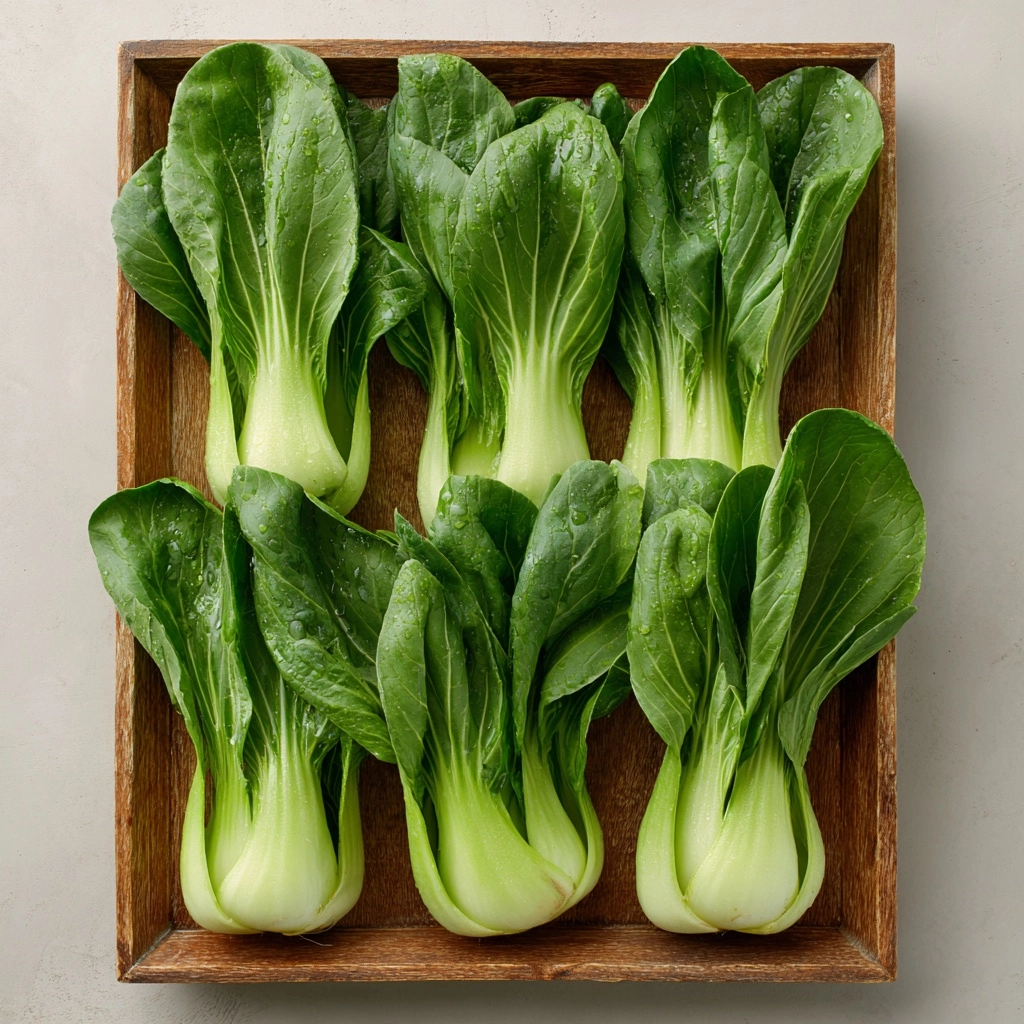
If you’ve ever wondered how to truly appreciate the delicate balance of flavors in a simple vegetable, then you’re in for a treat with the What Does Bok Choy Taste Like? Recipe. This dish invites you to explore bok choy’s enchanting combination of crisp texture and mild, slightly peppery notes when raw, along with its subtle sweetness and tender earthiness when cooked. It’s a quick and effortless way to discover why bok choy has become a favorite in kitchens all over the world, especially for those who love Asian-inspired flavors and vibrant, healthy ingredients.
Ingredients You’ll Need
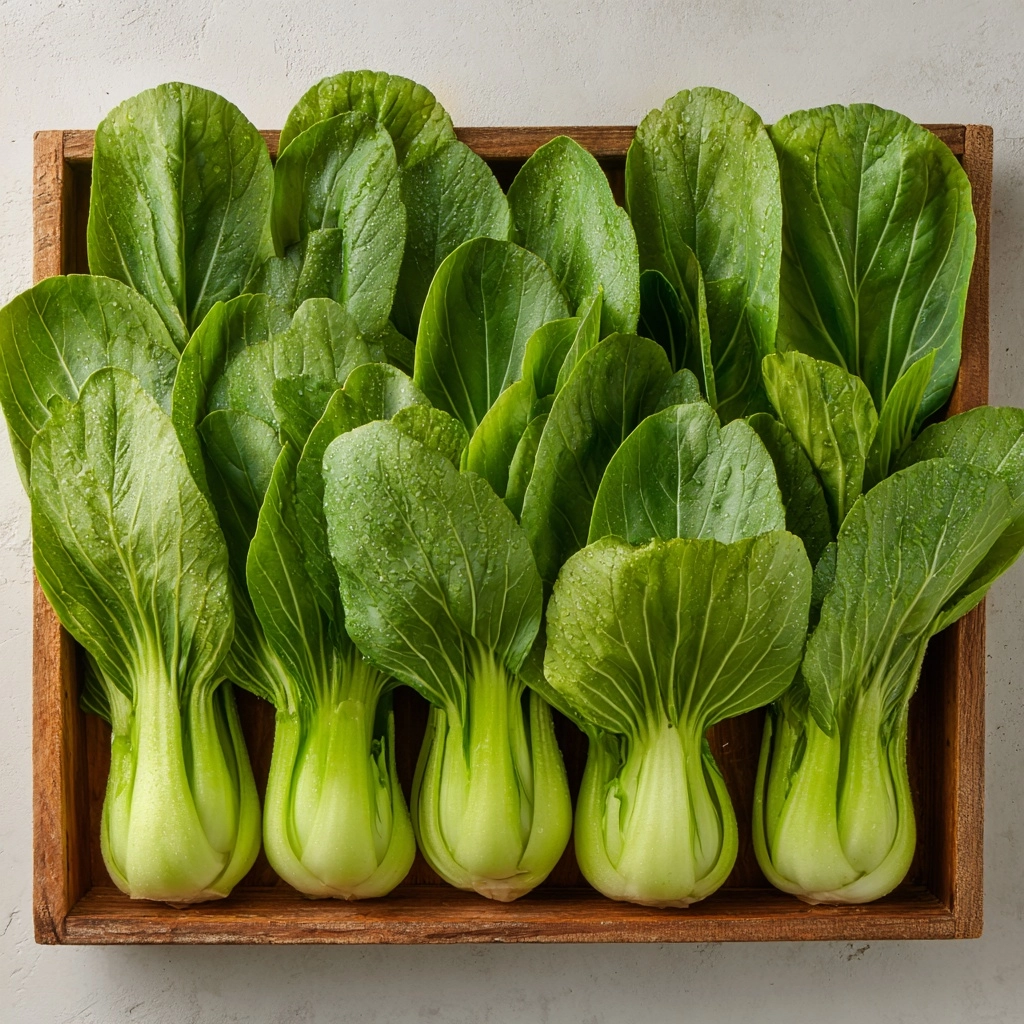
This recipe keeps it wonderfully straightforward with just a few essential ingredients that highlight bok choy’s natural flavor. Each component plays a crucial role in enhancing the dish’s texture, aroma, and taste without overpowering the vegetable’s delicate personality.
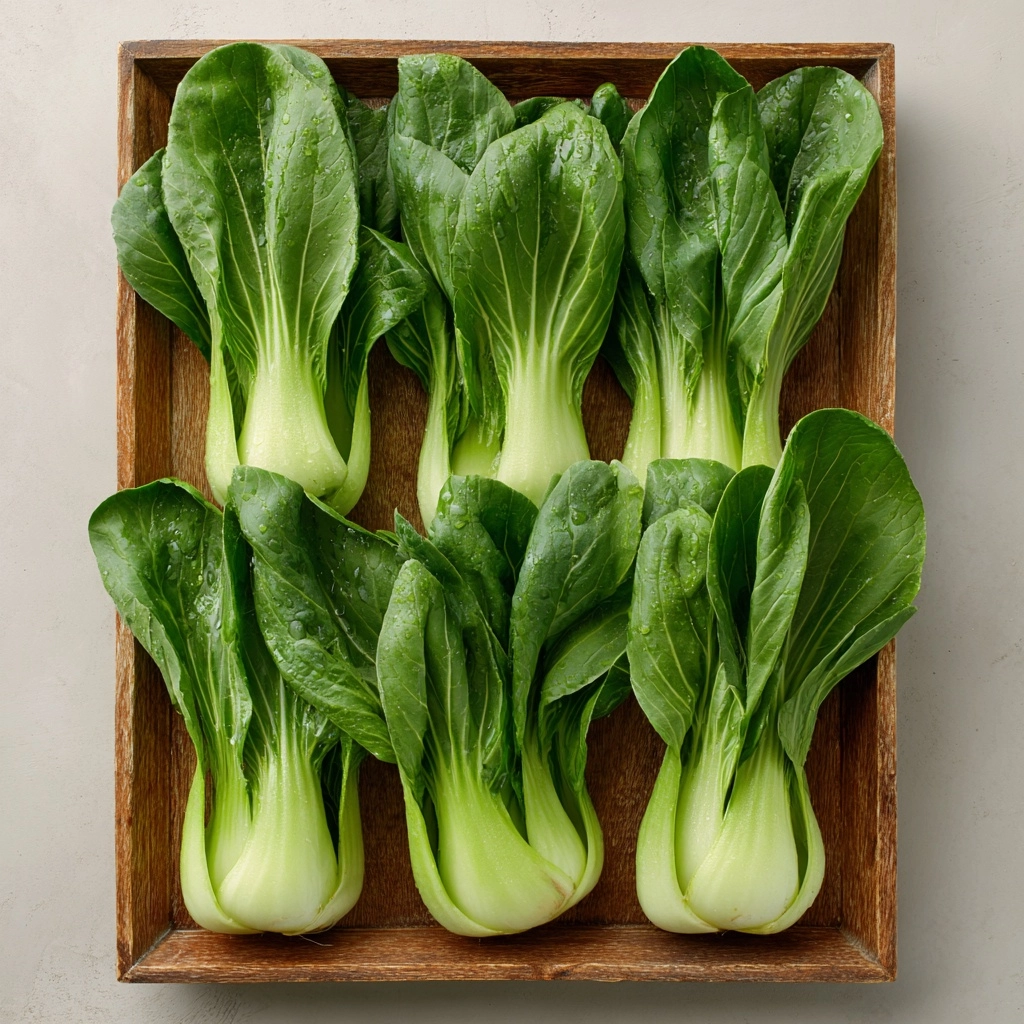
- 1 head baby bok choy or regular bok choy: The star of the show, chosen for its crispy stalks and tender leafy greens.
- 1 tablespoon olive oil or sesame oil (optional): Adds a subtle richness and helps with gentle sautéing to unlock deeper flavors.
- Pinch of salt (optional): A little seasoning to bring out bok choy’s mild sweetness and balance its natural bitterness.
How to Make What Does Bok Choy Taste Like? Recipe
Step 1: Prepare Your Bok Choy
Begin by rinsing the bok choy thoroughly under cold water, making sure to remove any grit caught between the stalks. Trim off the tough base and separate each stalk. This preparation lets you taste both the crunchy white stems and the delicate green leaves individually, revealing their distinct textures and flavors.
Step 2: Taste the Raw Bok Choy
Take a moment to enjoy the raw vegetable just as it is. The white stalks offer a crisp and juicy bite with a mild sweetness, while the leafy greens have a soft, slightly bitter edge that’s reminiscent of spinach. This step is key to fully understanding what makes bok choy such a unique ingredient and deepens your appreciation of its fresh flavor profile.
Step 3: Sauté for a Warm Twist
If you prefer a warm, comforting side, heat your choice of olive or sesame oil in a skillet over medium heat. Toss in chopped bok choy and cook it for about 3 to 5 minutes, stirring occasionally. The heat softens the greens and tenderizes the stalks, mellowing the flavor into a subtly sweet and earthy delight. Finish with a pinch of salt to enhance the natural taste.
How to Serve What Does Bok Choy Taste Like? Recipe
Garnishes
Simple garnishes such as toasted sesame seeds or a squeeze of fresh lemon juice can brighten up the dish beautifully. These accents highlight bok choy’s crisp texture and add an extra layer of flavor that’s both visually appealing and delicious.
Side Dishes
This recipe pairs perfectly with steamed jasmine rice, grilled tofu, or a light miso soup. The mildness of bok choy balances well with richer, savory mains and offers a refreshing contrast that will elevate your entire meal.
Creative Ways to Present
For a fun twist, try serving bok choy leaves as boats filled with your favorite dipping sauce or use sautéed bok choy as a bed for grilled seafood. These creative presentations make the dish feel festive and invite guests to appreciate bok choy in exciting new ways.
Make Ahead and Storage
Storing Leftovers
Store any unused bok choy in an airtight container in the refrigerator for up to 3 days. Keep it cool and dry to preserve its crisp texture, especially if you haven’t cooked it yet.
Freezing
Bok choy is best enjoyed fresh or lightly cooked, but you can freeze cooked bok choy if needed. Blanch the leaves briefly, cool them in ice water, drain well, then freeze in portions. Frozen bok choy will lose some crunch but remains great for soups and stews.
Reheating
Reheat cooked bok choy gently in a skillet over low heat or microwave with a splash of water to keep it moist. Avoid high heat and prolonged reheating to maintain its tender texture and delicate flavor.
FAQs
Is bok choy sweet or bitter in taste?
Bok choy offers a unique combination—it has a slight natural sweetness that comes through especially when cooked, balanced by a mild bitterness in the leafy green parts. This makes it flavorful and interesting to the palate.
Can I eat bok choy raw?
Absolutely! Eating bok choy raw lets you experience its crisp texture and fresh, peppery bite, which is wonderfully refreshing in salads or as a crunchy snack.
What oils work best for sautéing bok choy?
Olive oil and sesame oil are both excellent choices. Olive oil adds a mild richness, while sesame oil brings a nutty aroma that complements bok choy’s subtle earthiness perfectly.
How long should I cook bok choy?
For a tender yet slightly crisp texture, sauté bok choy for about 3 to 5 minutes. Cooking it longer will soften it further but might reduce its bright flavor.
Does bok choy have nutritional benefits?
Yes, bok choy is low in calories but packed with vitamins A, C, and K, plus antioxidants and fiber, making it a great addition to a healthy diet.
Final Thoughts
Embracing the simple joy of fresh bok choy through this What Does Bok Choy Taste Like? Recipe is like opening a little door to flavor discovery. Whether raw or gently cooked, bok choy brings a fresh, vibrant crunch or a mellow sweetness to your plate that’s hard to resist. So go ahead, give it a try—this quick and tasty recipe might just become one of your new favorites!
Print
What Does Bok Choy Taste Like? Recipe
- Prep Time: 5 minutes
- Cook Time: 5 minutes
- Total Time: 10 minutes
- Yield: 2 tastings or servings
- Category: Side Dish
- Method: Stovetop
- Cuisine: Asian-Inspired
- Diet: Vegan
Description
Discover the unique flavor profile of bok choy with this simple guide to tasting both raw and cooked bok choy. Experience the crisp, slightly peppery bite of raw bok choy stems and leaves, then enjoy a tender, mellow sautéed version enhanced with a touch of oil and salt. Perfect as a light side dish, this recipe highlights bok choy’s versatility and subtle earthiness in Asian-inspired cuisine.
Ingredients
Ingredients
- 1 head baby bok choy or regular bok choy (for tasting or testing)
- 1 tablespoon olive oil or sesame oil (optional, for cooking)
- Pinch of salt (optional)
Instructions
- Prepare the Bok Choy: Rinse the bok choy leaves thoroughly under cold water to remove any dirt. Trim the base of the bok choy and then separate the stalks to explore both the white stems and green leafy tops individually.
- Taste Raw Bok Choy: Sample the crunchy white stems first, noticing the mild, juicy texture and slightly peppery bite. Then taste the leafy green tops, which are softer and have a gentle bitterness, similar to spinach or cabbage.
- Heat the Oil: Warm a skillet over medium heat and add olive oil or sesame oil. Let the oil heat until shimmering but not smoking.
- Sauté the Bok Choy: Chop the bok choy into manageable pieces and add them to the hot skillet. Cook for 3 to 5 minutes, stirring occasionally until the bok choy stems become tender and the leaves wilt, developing a tender and slightly sweet flavor with earthy undertones.
- Season: Add a pinch of salt to the sautéed bok choy to enhance its natural flavors. Stir briefly and remove from heat.
Notes
- Raw bok choy offers a clean, crisp texture with a mildly peppery flavor.
- The white stalks are juicy and mild, while the green leaves carry a softer, slightly bitter taste.
- Cooking bok choy mellows its flavor, bringing out sweetness and earthiness while softening the texture.
- For added flavor, try using sesame oil for sautéing.
- Bok choy pairs well with a variety of Asian dishes or can be enjoyed simply as a light side.