If you have ever swooned over the vibrant flavors and irresistible textures of a street-side feast, then you will absolutely adore this Pad Thai Recipe. This classic Thai dish is a beautiful harmony of sweet, sour, salty, and spicy notes all wrapped up in tender rice noodles, crunchy peanuts, fresh herbs, and a lively stir-fry. It’s the kind of recipe that turns any ordinary dinner into an exciting celebration of taste, and the best part is that it’s straightforward enough to recreate right in your own kitchen. Whether you’re a seasoned fan or a first-timer, this Pad Thai Recipe promises a delicious adventure with every bite.
Ingredients You’ll Need
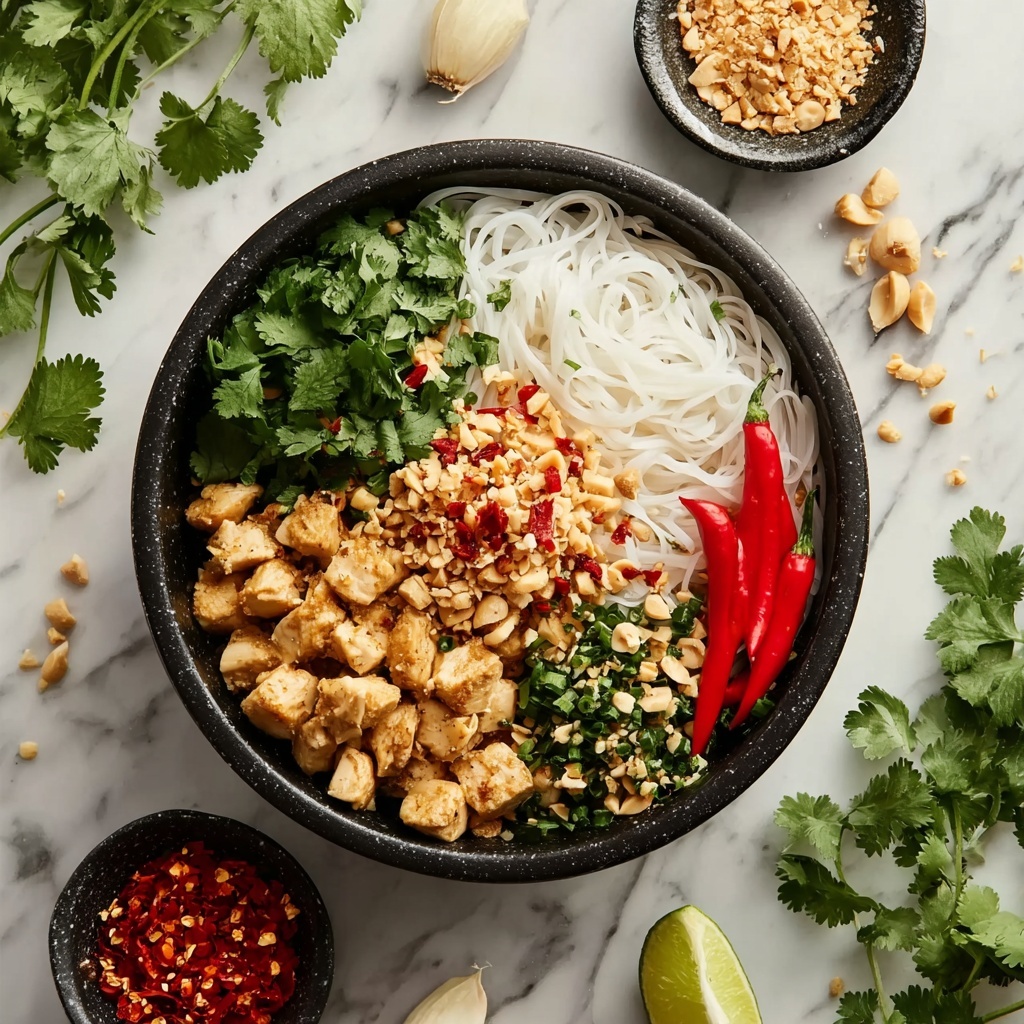
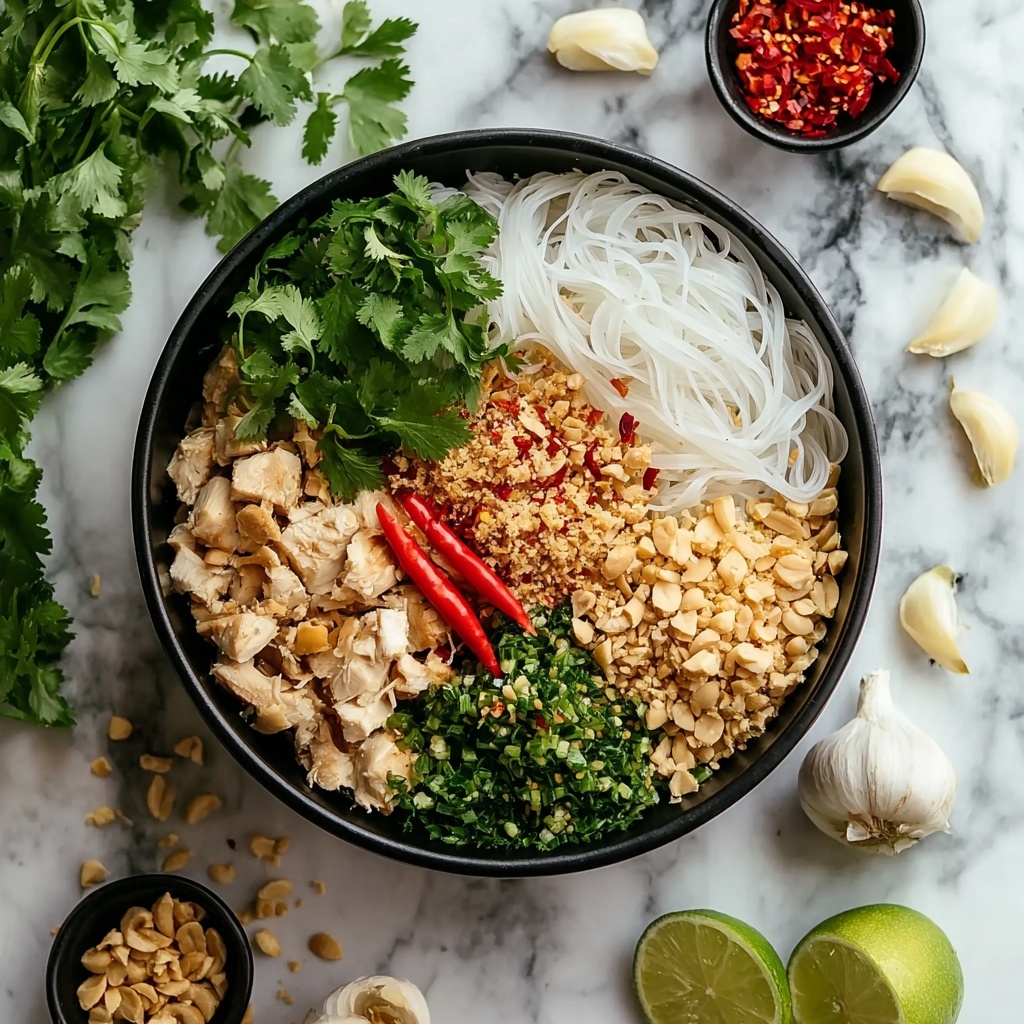
Every ingredient in this Pad Thai Recipe plays a vital role, either in building its iconic taste, adding texture, or bringing that authentic color pop that makes the dish so inviting. These essentials come together simply yet ingeniously to create a meal that’s far more than the sum of its parts.
- Rice noodles: The chewy backbone of the dish, soaking up all the luscious flavors beautifully.
- Vegetable oil: Perfect for stir-frying; it ensures a nice sizzle without overpowering the palate.
- Garlic: Adds a fragrant punch that awakens the senses right from the start.
- Red chili: Brings just the right heat to balance the sweet and sour notes.
- Tofu: Cubed and golden, it adds heartiness and soaks up the sauce brilliantly.
- Shrimp: Tender, juicy, and perfectly cooked, it lends a subtle briny sweetness.
- Eggs: Scrambled to add richness and a lovely silkiness to the dish.
- Soy sauce: The salty umami base that ties all flavors together.
- Tamarind paste: The star of tanginess here, giving Pad Thai its trademark sour kick.
- Brown sugar: Sweetness that balances out the tamarind tartness perfectly.
- Bean sprouts: Fresh and crunchy, they add lightness and texture contrast.
- Chopped peanuts: For that irresistible nutty crunch on top.
- Green onions: Bring a mild oniony freshness that brightens every spoonful.
- Cilantro: Adds an herbaceous note, rounding out the final dish with a burst of green.
How to Make Pad Thai Recipe
Step 1: Soften the Rice Noodles
Start by soaking your rice noodles in hot water, following the package directions until they are soft and pliable. This ensures they’ll cook quickly in the wok without becoming mushy, giving you that signature chewy texture.
Step 2: Heat Your Pan
Warm the vegetable oil in a large pan or wok over medium heat until nice and hot. This is where your Pad Thai comes alive as the sizzling oil carries the fragrance and flavor.
Step 3: Infuse Garlic and Chili
Add the minced garlic and chopped red chili to the sizzling oil, stirring continuously for about a minute. This step is crucial for releasing those rich, aromatic notes that form the flavor base.
Step 4: Cook the Tofu and Shrimp
Toss in the cubed tofu and the peeled, deveined shrimp, cooking just until the shrimp turns pink and opaque. The tofu gets a bit of warmth and flavor while the shrimp adds mouthwatering juiciness.
Step 5: Scramble the Eggs
Push the ingredients to one side of your pan and crack the eggs into the empty space. Scramble them gently until fully cooked, then mix them back together with the tofu and shrimp for a luscious, creamy texture.
Step 6: Combine with Rice Noodles
Now add your soaked noodles to the pan, preparing them to soak up all the wonderful flavor that’s about to come.
Step 7: Prepare and Add the Sauce
Whisk together soy sauce, tamarind paste, and brown sugar in a small bowl until smooth. Pour this tangy-sweet mixture over the noodles and toss everything thoroughly to coat the noodles evenly and infuse that signature Pad Thai taste.
Step 8: Add Fresh Crunch and Herbs
Scatter in bean sprouts, chopped peanuts, sliced green onions, and chopped cilantro. Stir-fry gently for another few minutes until everything is heated and vibrant. Don’t be shy about tasting and adjusting the seasoning here to nail that perfect balance of flavors.
Step 9: Serve Hot and Enjoy!
Your homemade Pad Thai is ready to be piled onto plates and enjoyed immediately while warm and flavorful. This recipe brings all the tones and textures of a legendary street food straight into your kitchen.
How to Serve Pad Thai Recipe
Garnishes
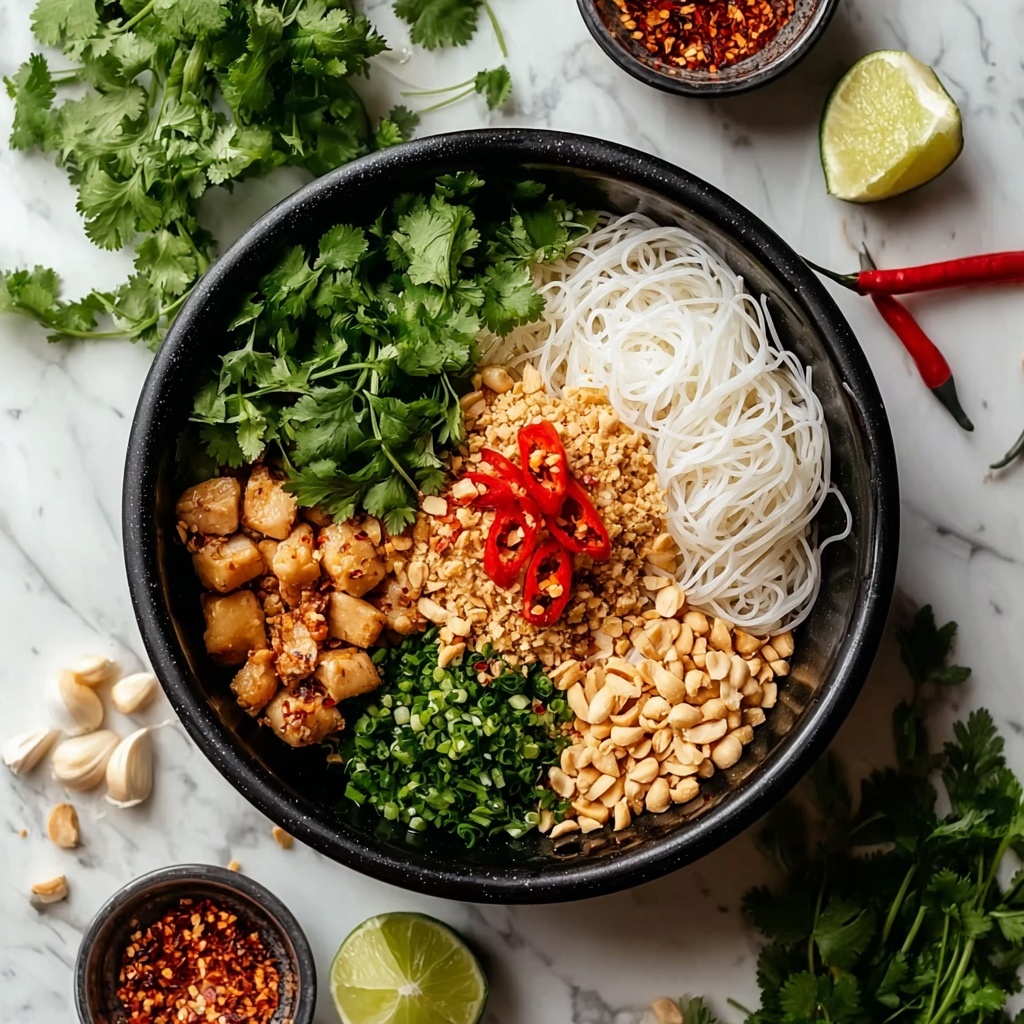
Extra chopped peanuts, lime wedges, and fresh cilantro make excellent garnishes that add freshness, crunch, and a citrusy zest, perfect for elevating your Pad Thai experience with those final little touches.
Side Dishes
Serve Pad Thai alongside a light cucumber salad or simple steamed jasmine rice to complement the complex flavors without overwhelming the palate. A cold Thai iced tea or a crisp lager can also be refreshing accompaniments.
Creative Ways to Present
For a special occasion, serve Pad Thai inside edible banana leaf bowls or sprinkle with edible flowers for a beautifully vibrant look. If you love texture, try topping with crispy fried shallots or a drizzle of chili oil to dial up the excitement.
Make Ahead and Storage
Storing Leftovers
Leftover Pad Thai can be stored in an airtight container in the refrigerator for up to two days. Be sure to handle it gently when reheating to preserve the noodles’ texture and freshness.
Freezing
This dish is best enjoyed fresh, but if you must freeze, pack it tightly in a freezer-safe container and consume within one month. Keep in mind that freezing may alter the texture of the noodles and fresh ingredients slightly.
Reheating
Reheat Pad Thai gently in a non-stick pan over medium heat, adding a splash of water or oil to revive the noodles. Avoid microwaving if possible, as it can make the noodles gummy and unevenly warm.
FAQs
Can I make this Pad Thai Recipe vegetarian?
Absolutely! Simply omit the shrimp and increase the tofu or add other vegetables like bell peppers and carrots to keep the dish hearty and flavorful.
What can I substitute for tamarind paste?
If tamarind paste is hard to find, a mix of lime juice and a little brown sugar can mimic its tangy-sweet flavor to a degree, though the authentic taste might be slightly altered.
Is this Pad Thai Recipe spicy?
The heat level is moderate from the red chili, but you can easily adjust it up or down by altering the amount of chili or serving with chili flakes on the side.
What type of noodles should I use for authentic Pad Thai?
Traditional Pad Thai uses thin rice noodles — sometimes called “rice sticks” — which soak up the sauce perfectly while offering a tender, chewy bite.
Can I prepare Pad Thai Recipe in advance for a party?
To keep it fresh, prepare all ingredients and sauces ahead of time, then stir-fry just before serving. This ensures your guests get Pad Thai at its flavorful and textural peak.
Final Thoughts
There’s something magical about making your own Pad Thai Recipe at home. It’s not only about the vibrant, mouthwatering flavors but also the joy of crafting something authentic and satisfying. Whether you’re sharing it with family or treating yourself to a special dinner, this recipe is sure to become a beloved staple. Dive in, have fun with it, and most importantly, savor every delicious bite.
Print
Pad Thai Recipe
- Prep Time: 0h 20m
- Cook Time: 0h 15m
- Total Time: 0h 35m
- Yield: 2 servings
- Category: Main Course
- Method: Stovetop
- Cuisine: Thai
- Diet: Halal
Description
A classic Thai stir-fried noodle dish featuring rice noodles, tofu, shrimp, eggs, and a flavorful tangy-sweet sauce made from soy sauce, tamarind paste, and brown sugar. Packed with fresh bean sprouts, crunchy peanuts, and vibrant herbs, this homemade Pad Thai offers a perfect balance of textures and tastes for an authentic Thai dining experience.
Ingredients
Main Ingredients
- Rice noodles
- 1/4 cup vegetable oil
- 2 cloves garlic, minced
- 1 red chili, finely chopped
- 1/2 cup tofu, cubed
- 1/2 cup shrimp, peeled and deveined
- 2 eggs
Sauce Ingredients
- 1/4 cup soy sauce
- 3 tablespoons tamarind paste
- 1/4 cup brown sugar
Garnish and Extras
- 1 cup bean sprouts
- 1/4 cup peanuts, chopped
- 2 green onions, sliced
- 1/4 cup cilantro, chopped
Instructions
- Soak Noodles: Soak the rice noodles in hot water according to package instructions until they are soft. Drain and set aside.
- Heat Oil: In a large pan or wok, heat the vegetable oil over medium heat to prepare for stir-frying.
- Cook Aromatics: Add the minced garlic and chopped red chili to the pan, stir-frying for about 1 minute until fragrant to release their flavors.
- Add Protein: Add the cubed tofu and peeled shrimp to the pan, cooking until the shrimp is pink and opaque, ensuring even cooking.
- Cook Eggs: Push ingredients to one side, crack the eggs into the empty side, and scramble until fully cooked.
- Combine Ingredients: Mix the scrambled eggs with the tofu and shrimp in the pan to incorporate all components evenly.
- Add Noodles: Incorporate the soaked rice noodles into the pan, preparing to coat them with sauce.
- Mix Sauce: In a small bowl, combine soy sauce, tamarind paste, and brown sugar to form a tangy and sweet sauce.
- Add Sauce: Pour the sauce over the noodles and toss to coat everything thoroughly.
- Add Garnishes: Add bean sprouts, chopped peanuts, sliced green onions, and chopped cilantro to the pan for texture and fresh flavor.
- Final Stir Fry: Continue stir-frying for another 2-3 minutes until everything is heated through and flavors melded.
- Adjust Seasoning: Taste the dish and adjust seasoning by adding more soy sauce, tamarind paste, or sugar if desired.
- Serve: Serve the Pad Thai hot, garnished with extra peanuts, green onions, and cilantro as desired.
- Enjoy: Dig into your delicious homemade Pad Thai and savor the authentic flavors.
Notes
- Soaking noodles as per package instructions is crucial to avoid mushy or undercooked noodles.
- Adjust chili quantity to control heat level according to your preference.
- Fresh tamarind paste ensures authentic sourness; substitute with lime juice if unavailable but flavor will vary.
- Use a wok or large skillet for best results due to even heat distribution and space for tossing.
- Peanuts add crunch; can be omitted if allergic but lose some texture.
- For a vegetarian version, omit shrimp or substitute with more tofu or vegetables.