
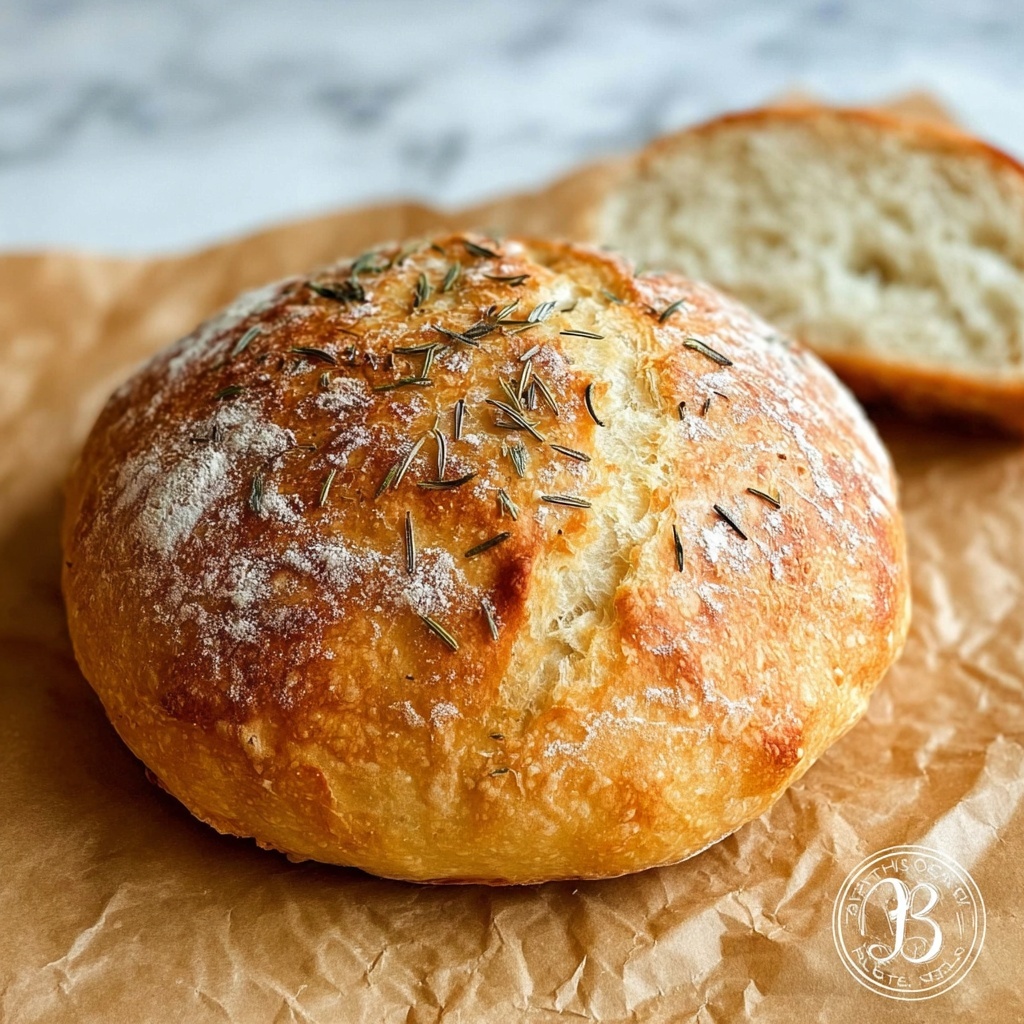
If you have ever dreamed of baking your own bakery-worthy loaf at home, this Crusty Italian Bread Recipe is your new best friend. It combines simplicity and tradition in one golden, crackling crust and tender, airy crumb that’s impossible not to love. Whether you’re a seasoned baker or giving bread-making a first try, this recipe’s long, slow rise and gentle handling unlock that unmistakable rustic Italian charm right out of your oven. Trust me, once you taste this Crusty Italian Bread, you’ll be hooked and eager to share it with everyone at your table.
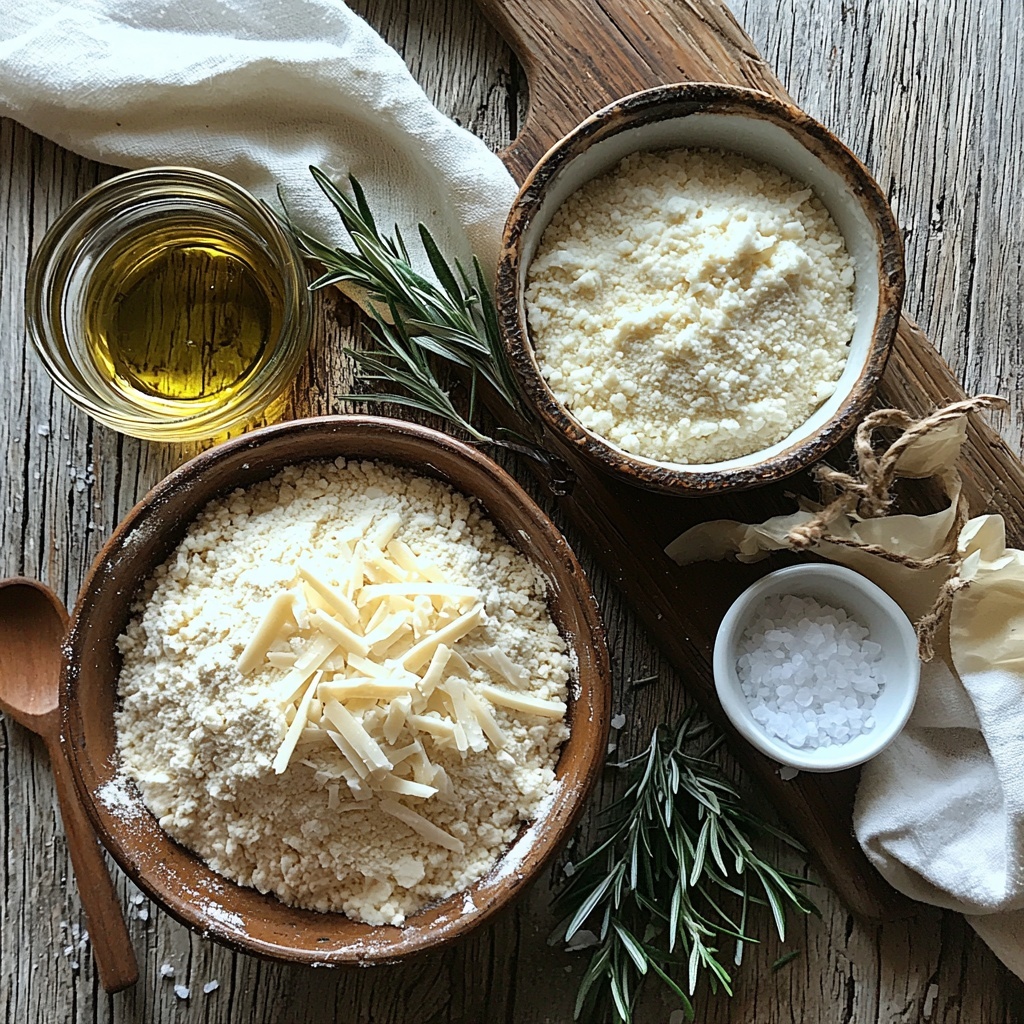
Ingredients You’ll Need
The magic of this Crusty Italian Bread Recipe lies in its straightforward but essential ingredients. Each one brings something crucial: from the bread flour’s structure to the yeast’s gentle lift, and the salt’s flavor balance, every element plays a star role in crafting that perfect loaf.
- Bread flour: Provides the high protein content needed for a chewy crust and open crumb.
- Instant yeast: Ensures a reliable and quick rise without fuss.
- Salt: Enhances flavor and controls yeast activity for better dough development.
- Warm water: Activates the yeast and brings everything together into the dough.
- Olive oil (optional): Adds richness and helps soften the crumb slightly without compromising crunch.
- Fresh rosemary or fennel seeds (optional for topping): Introduces an aromatic hint of herbaceousness that elevates the bread’s aroma and taste.
How to Make Crusty Italian Bread Recipe
Step 1: Combine Dry Ingredients
Start by stirring together the bread flour, instant yeast, and salt in a large bowl. This ensures the yeast and salt are evenly distributed throughout the flour, setting the stage for a consistent rise and flavor.
Step 2: Add Warm Water and Olive Oil
Gradually pour in the warm water while mixing to create a shaggy, sticky dough. If you’re using olive oil, add it now—it enriches the dough and lends subtle depth to the flavor. This step is crucial for hydrating the flour and activating the yeast gently.
Step 3: Let the Dough Rest Overnight
Cover the bowl with plastic wrap and leave it at room temperature for 12 to 18 hours. This long, slow rise develops fantastic flavor and texture without any complicated kneading, creating the characteristic rustic crumb you want in a Crusty Italian Bread Recipe.
Step 4: Shape the Loaf
Turn the risen dough onto a well-floured surface and gently shape it into a round loaf. Handle it with care to preserve the air bubbles formed during fermentation—these create that lovely bread texture everyone craves.
Step 5: Second Rise
Place the shaped dough on parchment paper, cover it with a clean kitchen towel, and let it rise for another 1 to 2 hours. This proofing step builds volume and will help your bread bake into that perfect lofty loaf.
Step 6: Preheat Your Oven and Dutch Oven
Preheat your oven to 450°F (230°C) with a Dutch oven inside for at least 30 minutes. The hot Dutch oven mimics professional steam ovens by trapping moisture, which is essential for developing a crisp, crackling crust.
Step 7: Bake Your Bread Covered
Carefully transfer the dough, along with the parchment paper, into the preheated Dutch oven. Cover it with the lid and bake for 30 minutes. This step creates steam, which makes the crust form beautifully while keeping the inside soft.
Step 8: Uncover and Finish Baking
Remove the lid and continue baking for an additional 10 to 15 minutes until the crust turns a stunning golden brown. This final phase allows the bread to develop its signature deeply caramelized crust and enticing aroma.
Step 9: Cool Completely
Once baked, transfer the bread to a wire rack and let it cool completely before slicing. Cooling is key as it allows the crumb to set properly and avoids a gummy texture inside your Crusty Italian Bread Recipe.
How to Serve Crusty Italian Bread Recipe
Garnishes
This bread shines with simple toppings that highlight its rustic elegance. Brush the crust lightly with olive oil and sprinkle fresh rosemary or fennel seeds just before baking for a herby twist. A sprinkle of flaky sea salt on top after baking adds a delightful burst of salty crunch that complements the crust.
Side Dishes
Crusty Italian bread is a dream partner for soups and stews—imagine dipping it into a rich tomato basil soup or hearty beef stew. It also pairs beautifully with olive oil and balsamic vinegar for a quick appetizer or alongside a platter of cheeses, cured meats, and olives for an irresistible Italian antipasto spread.
Creative Ways to Present
Slice the loaf thickly and toast it for bruschetta topped with fresh tomatoes and basil, or cut it into cubes for crunchy homemade croutons perfect for salads or soups. You can even hollow out a loaf and fill it with warm dips like spinach artichoke for an eye-catching centerpiece that’s as delicious as it is fun.
Make Ahead and Storage
Storing Leftovers
Store your leftover Crusty Italian Bread Recipe in a paper bag or loosely wrapped in a clean kitchen towel on the counter to maintain the crust’s crispness for up to two days. Avoid airtight containers as they trap moisture and make the crust soft.
Freezing
To keep your crusty loaf fresh longer, slice it and freeze the bread in a freezer-safe bag. This lets you thaw just what you need without sacrificing the quality or texture of the bread.
Reheating
To revive the crusty texture, pop slices in a toaster or reheat the whole loaf in a 350°F (175°C) oven for 10 minutes. Wrapping the loaf in foil prevents it from drying out while still restoring a nice crunch.
FAQs
Can I use all-purpose flour instead of bread flour?
While all-purpose flour can be used in a pinch, bread flour’s higher protein content is what gives this Crusty Italian Bread Recipe its excellent structure and chew. Using all-purpose might result in a softer, less chewy crust.
Why does the recipe require such a long rise time?
The extended rise time at room temperature allows for natural fermentation, which develops complex flavors and an open, airy crumb without needing to knead extensively. This slow fermentation is key to the bread’s delicious depth.
Can I add herbs or other flavorings to the dough?
Absolutely! Adding herbs like rosemary, thyme, or even a bit of garlic powder into the dough enhances flavor. Just be mindful not to add too much, as it can affect the dough’s rise and texture.
Do I have to use a Dutch oven to bake this bread?
The Dutch oven helps trap steam, which is essential for achieving that signature crispy crust. If you don’t have one, you can bake the bread on a baking stone and place a pan of water in the oven to create steam, but results may vary slightly.
How do I know when the bread is fully baked?
Look for a deep golden brown crust and a hollow sound when you tap the bottom of the loaf. The internal temperature should reach about 200°F (93°C) for perfectly baked bread.
Final Thoughts
There is something incredibly rewarding about bringing the warm aroma of freshly baked Crusty Italian Bread Recipe into your home. This loaf is a testament to how a few simple ingredients, time, and patience can create something truly extraordinary. I encourage you to dive in, enjoy the process, and savor every bite of your homemade masterpiece—it’s a baking adventure you won’t regret!
Print
Crusty Italian Bread Recipe
- Prep Time: 10 minutes
- Cook Time: 45 minutes
- Total Time: 12 hours 55 minutes to 18 hours 55 minutes (including fermentation)
- Yield: 1 large loaf
- Category: Bread
- Method: Baking
- Cuisine: Italian
Description
This Crusty Italian Bread recipe yields a large, rustic loaf with a golden, crunchy crust and a soft, airy interior. Made with simple ingredients and a long fermentation process, this bread achieves a deep, complex flavor and perfect texture. Baking in a preheated Dutch oven ensures a crisp crust similar to artisanal bakery bread.
Ingredients
Dough
- 3 ½ cups bread flour
- 1 ½ teaspoons instant yeast
- 1 ½ teaspoons salt
- 1 ½ cups warm water
- 1 tablespoon olive oil (optional)
Topping (Optional)
- 1 teaspoon fresh rosemary or fennel seeds
Instructions
- Mix dry ingredients: In a large bowl, combine bread flour, instant yeast, and salt thoroughly to ensure even distribution of the leavening agent and seasoning.
- Add warm water and olive oil: Gradually pour the warm water into the dry ingredients while stirring to create a shaggy dough. Incorporate olive oil if using to add moisture and slight richness.
- First fermentation: Cover the bowl tightly with plastic wrap and allow the dough to rest at room temperature for 12 to 18 hours. This long fermentation develops flavor and texture.
- Shape the dough: Turn the risen dough onto a well-floured surface and gently shape it into a round loaf, being careful not to deflate the air bubbles too much.
- Second rise: Place the shaped dough on parchment paper, cover with a clean towel, and let it rise for another 1 to 2 hours until puffed and nearly doubled.
- Preheat oven and Dutch oven: Heat the oven to 450°F (230°C) and place a Dutch oven with its lid inside to preheat for at least 30 minutes. This ensures a steamy environment for the bread to bake.
- Transfer dough to Dutch oven: Carefully lift the parchment paper with the dough and place it inside the hot Dutch oven.
- Bake covered: Cover the Dutch oven with its lid and bake for 30 minutes. This traps steam, helping develop a crusty exterior.
- Remove lid and finish baking: Take off the lid and bake an additional 10 to 15 minutes until the crust is deeply golden brown and crisp.
- Cool and serve: Remove the bread from the oven and cool completely on a wire rack before slicing to preserve the crumb texture and avoid gumminess.
Notes
- Using a Dutch oven simulates a steam oven environment, which is key for a crusty loaf.
- The long fermentation time can be adjusted slightly; longer fermentations enhance flavor but require more planning.
- Olive oil is optional but adds tenderness and flavor.
- Fresh rosemary or fennel seeds on top add a nice aromatic touch but can be omitted.
- Ensure to cool the bread fully before slicing to avoid a gummy crumb.