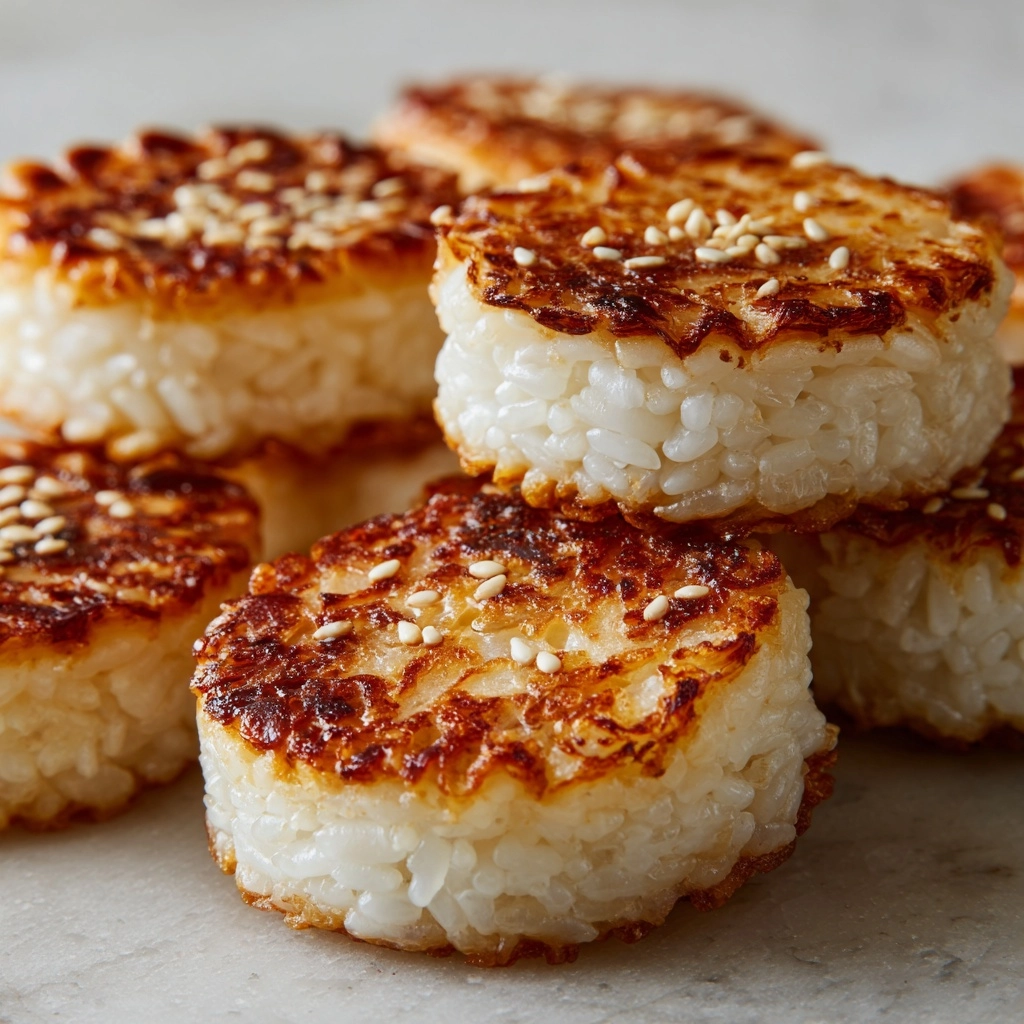
If you’re craving a comforting, warmly nostalgic treat that brings the flavors of the Philippines straight to your kitchen, then this Bibingka Filipino Rice Cake with Salted Eggs and Cheese Recipe is your new best friend. This moist, tender rice cake delivers a beautiful balance of creamy coconut milk, salty and savory touches from the salted duck eggs and grated cheese, and a delicate sweetness that makes every bite pure happiness. Whether it’s a holiday celebration or a cozy weekend indulgence, this delightful dessert sings with tradition and invites everyone to share in a moment of comfort and joy.
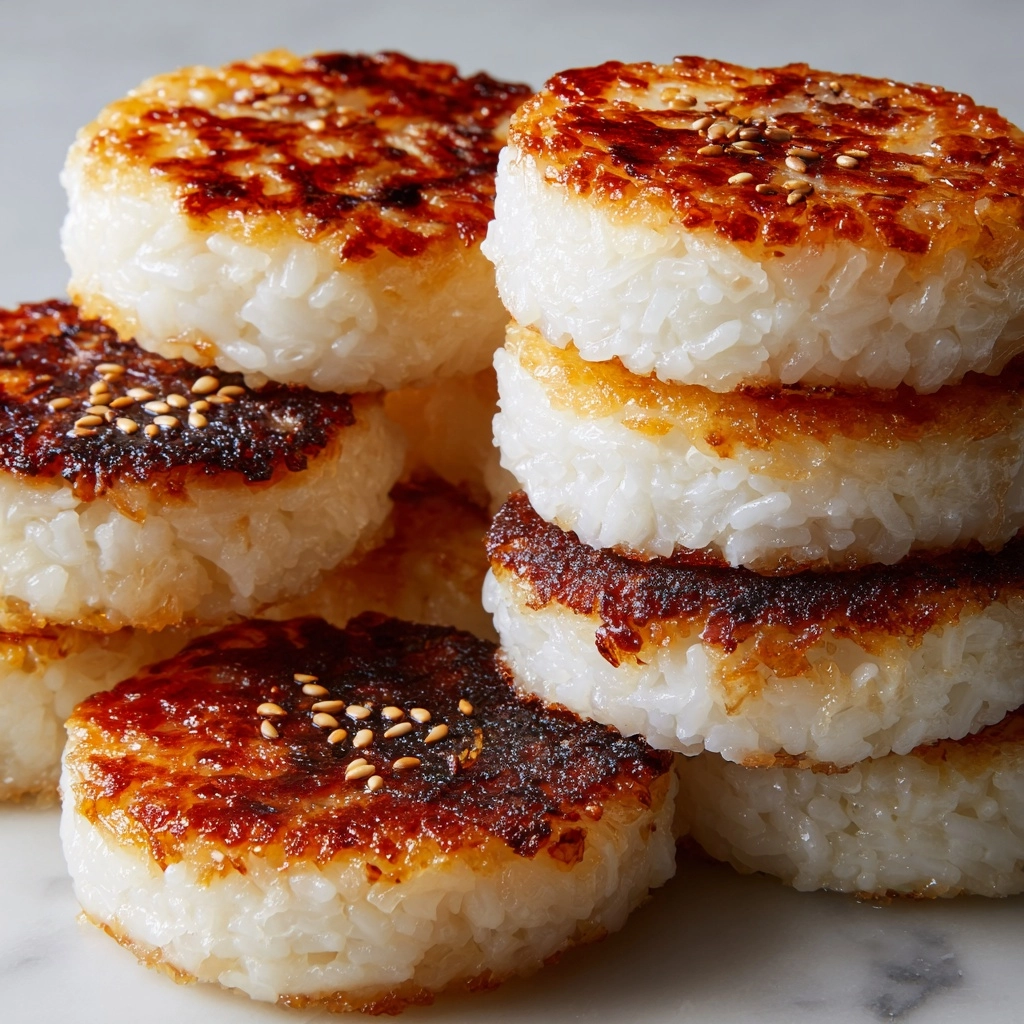
Ingredients You’ll Need
Gathering your ingredients for this Bibingka is wonderfully straightforward. Each component plays a crucial role in building the cake’s luscious texture, rich flavor, and inviting aroma. From the creamy coconut milk that adds moisture to the salty notes of the salted eggs, every ingredient shines on its own and together creates a truly unforgettable dessert.
- Rice flour: The main ingredient, which gives bibingka its signature chewy and soft texture.
- All-purpose flour: Adds structure to ensure the cake holds together perfectly.
- Baking powder: Helps the cake rise to a fluffy, delicate height.
- Salt: Enhances all the other flavors, balancing the sweetness.
- Granulated sugar: Sweetens the cake just right without overpowering it.
- Coconut milk: Brings a creamy richness that’s essential for authentic flavor.
- Water: Helps achieve the right batter consistency.
- Eggs: Provide richness and help bind the ingredients together.
- Melted butter: Adds moisture and a subtle, buttery aroma.
- Banana leaves: Used to line the pan, infusing the cake with a unique fragrance and a traditional touch.
- Grated cheese: Offers a savory contrast and delightful melt on top.
- Salted duck eggs (sliced): Introduce that iconic salty savory layer that’s the hallmark of bibingka.
- Grated coconut: Sprinkled on top for extra texture and a tropical finish.
How to Make Bibingka Filipino Rice Cake with Salted Eggs and Cheese Recipe
Step 1: Prepare Your Baking Pan and Preheat the Oven
Start by preheating your oven to 375°F (190°C) so it reaches the perfect temperature by the time your batter is ready. Take a round cake pan and line it with softened banana leaves, overlapping slightly and letting the edges drape over the sides. This not only prevents sticking but adds an earthy aroma that’s simply magical in bibingka.
Step 2: Mix Dry Ingredients
In a large bowl, whisk together the rice flour, all-purpose flour, baking powder, salt, and granulated sugar until well combined. This blend sets the foundation of your cake, ensuring even texture and flavor throughout.
Step 3: Combine Wet Ingredients
In a separate bowl, whisk coconut milk, water, eggs, and melted butter until smooth. These wet ingredients infuse the cake with moisture, subtle creaminess, and richness that makes every bite melt in your mouth.
Step 4: Incorporate Wet Into Dry
Gradually pour the wet mixture into the dry ingredients, stirring gently but thoroughly. Aim for a smooth, lump-free batter that flows easily but still holds some body—this is the perfect consistency for baking a moist, tender bibingka.
Step 5: Add Toppings and Bake
Pour the batter into your banana leaf-lined pan. Arrange sliced salted duck eggs evenly on top, then sprinkle the grated cheese over everything. Pop this beauty into the oven and bake for 25 to 30 minutes, or until the top turns golden brown and a toothpick inserted in the center comes out clean.
Step 6: Finish With Coconut and Butter
Once baked, remove your bibingka from the oven and let it cool slightly. Brush the surface generously with melted butter, then sprinkle freshly grated coconut on top. Serve warm to enjoy the rich blend of soft cake, savory toppings, and sweet coconut in every bite.
How to Serve Bibingka Filipino Rice Cake with Salted Eggs and Cheese Recipe
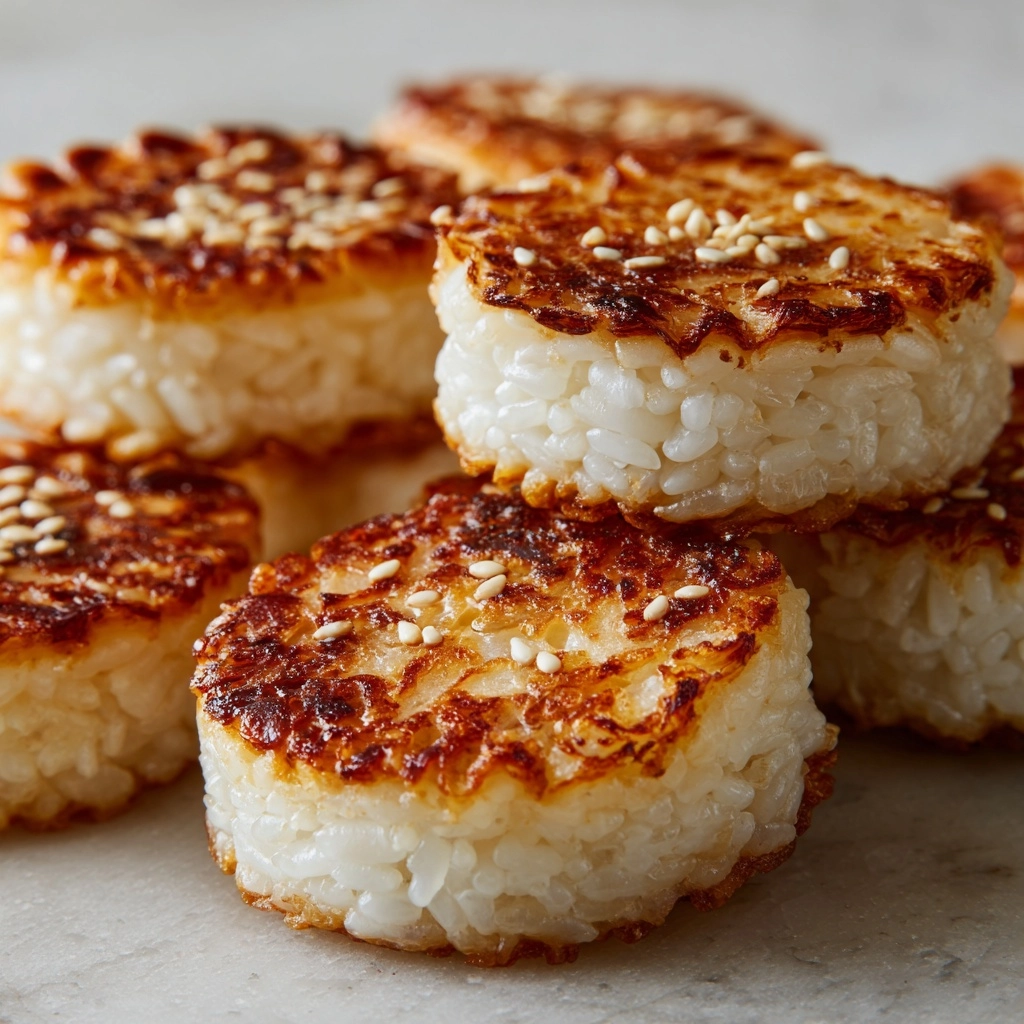
Garnishes
Garnish your bibingka with extra grated cheese and a light drizzle of melted butter right before serving. Adding toasted coconut flakes or even a touch of muscovado sugar can elevate the texture and sweetness. These small touches amplify the flavors and give the cake that authentic festive flair.
Side Dishes
Because bibingka is already rich and filling, it pairs perfectly with light, fresh sides. Consider a simple mango salad for a bright counterpoint or a hot cup of ginger tea or salabat to soothe and warm the soul. For an extra treat, offer local Filipino hot chocolate for a cozy combo.
Creative Ways to Present
For festive occasions, cut bibingka into bite-sized squares and serve on banana leaves for that rustic charm. You can also create a beautiful layered platter with slices of salted egg and cheese artfully arranged on each piece. Wrapping individual servings in banana leaves or parchment paper makes for a charming presentation, perfect for gifting or potlucks.
Make Ahead and Storage
Storing Leftovers
Leftover bibingka keeps beautifully for up to 3 days when stored in an airtight container at room temperature. If your room is particularly warm, refrigerate it to prevent spoilage, but be aware the cake may firm up and lose some softness.
Freezing
You can freeze bibingka slices wrapped tightly in plastic wrap and then in foil or a sealed container for up to one month. This makes it an excellent make-ahead dessert for celebrations or busy days when you want a quick treat ready to go.
Reheating
To enjoy bibingka fresh from the fridge or freezer, reheat individual slices in a microwave for about 20-30 seconds or warm them in a low oven (around 300°F) for 10 minutes until heated through. A light brush of butter before reheating helps revive that moist, tender texture.
FAQs
Can I use regular eggs instead of salted duck eggs?
While regular eggs will work for the batter, salted duck eggs are essential for the authentic savory-salty flavor contrast on top of the bibingka. You could omit the salted eggs but expect a milder taste experience.
Are banana leaves necessary for making bibingka?
Banana leaves lend a unique fragrance and help prevent sticking but aren’t absolutely necessary. If you can’t find them, simply line your pan with parchment paper. The bibingka will still taste wonderful!
Can I make this recipe gluten-free?
Yes! Using 100% rice flour instead of mixing with all-purpose flour keeps this dish gluten-free and traditional. Expect a slightly denser and chewier texture that many people love.
Is bibingka typically served hot or cold?
Bibingka is traditionally enjoyed warm, fresh out of the oven to fully appreciate its soft texture and melting cheese. However, it can be eaten at room temperature or reheated if needed.
What occasions are best for making this bibingka recipe?
Bibingka is a classic Christmas dessert in the Philippines but is perfect any time you want to share something sweet, comforting, and unique with loved ones. It’s fantastic for breakfasts, merienda (snacks), or festive gatherings.
Final Thoughts
Making the Bibingka Filipino Rice Cake with Salted Eggs and Cheese Recipe is more than just baking a cake; it’s about connecting with a delicious tradition that warms hearts and homes. Whether it’s your first try or a beloved classic you revisit often, this rice cake promises pure joy in every tender, flavorful slice. So go ahead, gather your ingredients, and treat yourself to a slice of Filipino heritage that’s as comforting as a hug from an old friend.
Print
Bibingka Filipino Rice Cake with Salted Eggs and Cheese Recipe
- Prep Time: 15 minutes
- Cook Time: 30 minutes
- Total Time: 45 minutes
- Yield: 6 servings
- Category: Dessert
- Method: Baking
- Cuisine: Filipino
- Diet: Vegetarian
Description
Bibingka is a traditional Filipino rice cake that is soft, moist, and rich with coconut flavor. Perfectly baked with a delightful combination of salted duck eggs, cheese, and grated coconut, this dessert is a festive favorite especially during Christmas. Lined with fragrant banana leaves, it’s a unique treat that combines the creamy texture of coconut milk with the subtle sweetness of rice flour, making it a deliciously comforting snack or dessert.
Ingredients
Dry Ingredients
- 1 cup rice flour
- 1/2 cup all-purpose flour
- 1 tablespoon baking powder
- 1/2 teaspoon salt
- 3/4 cup granulated sugar
Wet Ingredients
- 1 cup coconut milk
- 1/4 cup water
- 2 large eggs
- 1/4 cup melted butter
Toppings and Others
- Banana leaves (for lining)
- 1/2 cup grated cheese
- 1/2 cup salted duck eggs (sliced)
- 1/4 cup grated coconut (for topping)
Instructions
- Preheat and Prepare Pan: Preheat your oven to 375°F (190°C). Soften banana leaves by briefly heating or steaming them, then line a round cake pan with the leaves, allowing them to overlap and extend beyond the edges for a rustic presentation.
- Mix Dry Ingredients: In a large mixing bowl, combine rice flour, all-purpose flour, baking powder, salt, and sugar. Whisk together to evenly distribute the ingredients.
- Combine Wet Ingredients: In a separate bowl, whisk coconut milk, water, eggs, and melted butter thoroughly until smooth.
- Make Batter: Gradually pour the wet mixture into the dry ingredients while stirring gently until you get a smooth, lump-free batter.
- Pour and Top: Pour the batter into the prepared banana leaf-lined pan. Arrange sliced salted duck eggs evenly on top and sprinkle generously with grated cheese.
- Bake: Bake in the preheated oven for 25 to 30 minutes, or until the bibingka is golden brown on top and a toothpick inserted into the center comes out clean.
- Finish and Serve: Remove from the oven and let it cool slightly. Brush the top with melted butter and sprinkle grated coconut over before serving warm to enjoy the full flavors and textures.
Notes
- For a more traditional texture, you may use only rice flour instead of combining with all-purpose flour.
- If banana leaves are unavailable, substitute with parchment paper to line the pan.
- Adjust the level of sweetness by increasing or decreasing the amount of granulated sugar to your preference.