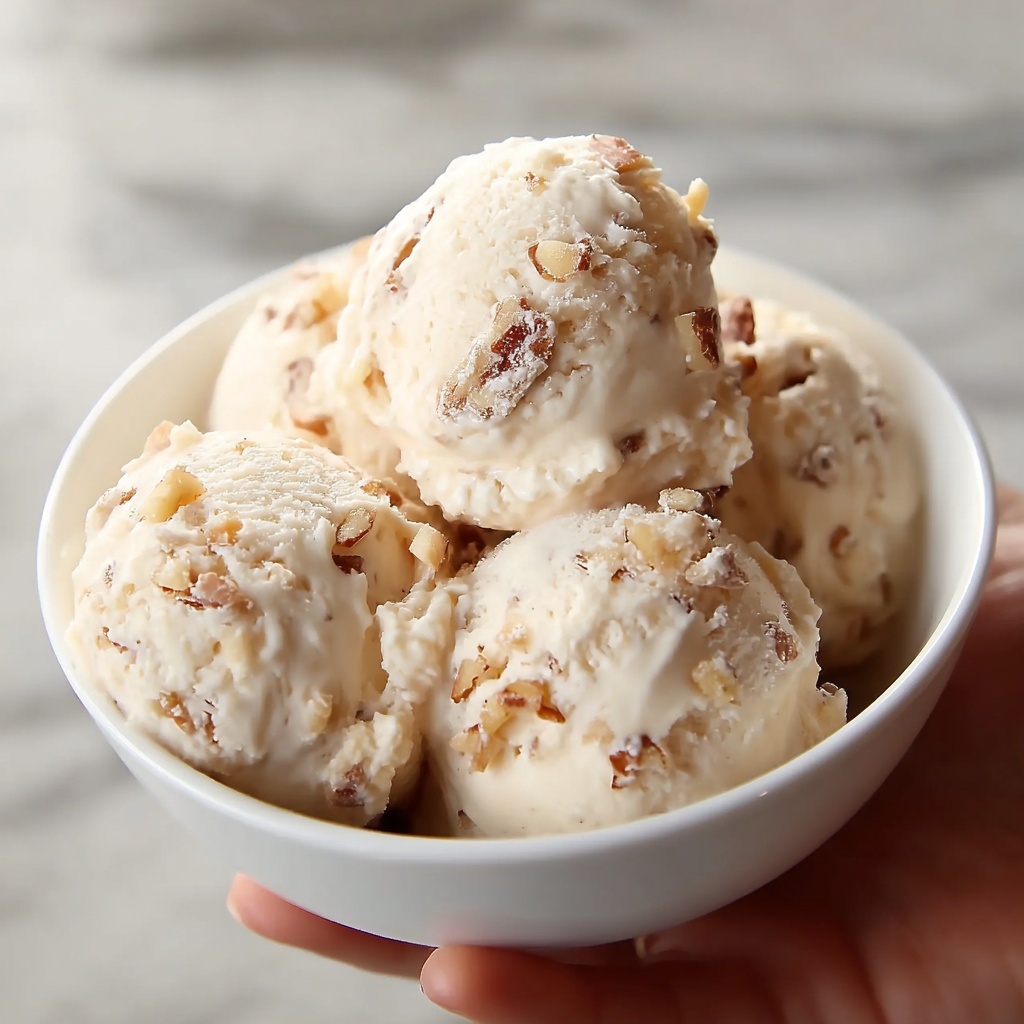
If you have a sweet tooth that craves something light, fluffy, and melt-in-your-mouth delightful, then this Homemade Divinity Candy with a Touch of Vanilla Recipe is exactly what you need. This classic southern treat is a heavenly combination of sugary sweetness and airy texture, with a gentle hint of vanilla that elevates the flavor to something truly nostalgic and special. Whether you’re making it for holiday gifts, festive gatherings, or just a fun kitchen experiment, this recipe promises a perfect balance of crunch and chew that candy lovers adore.
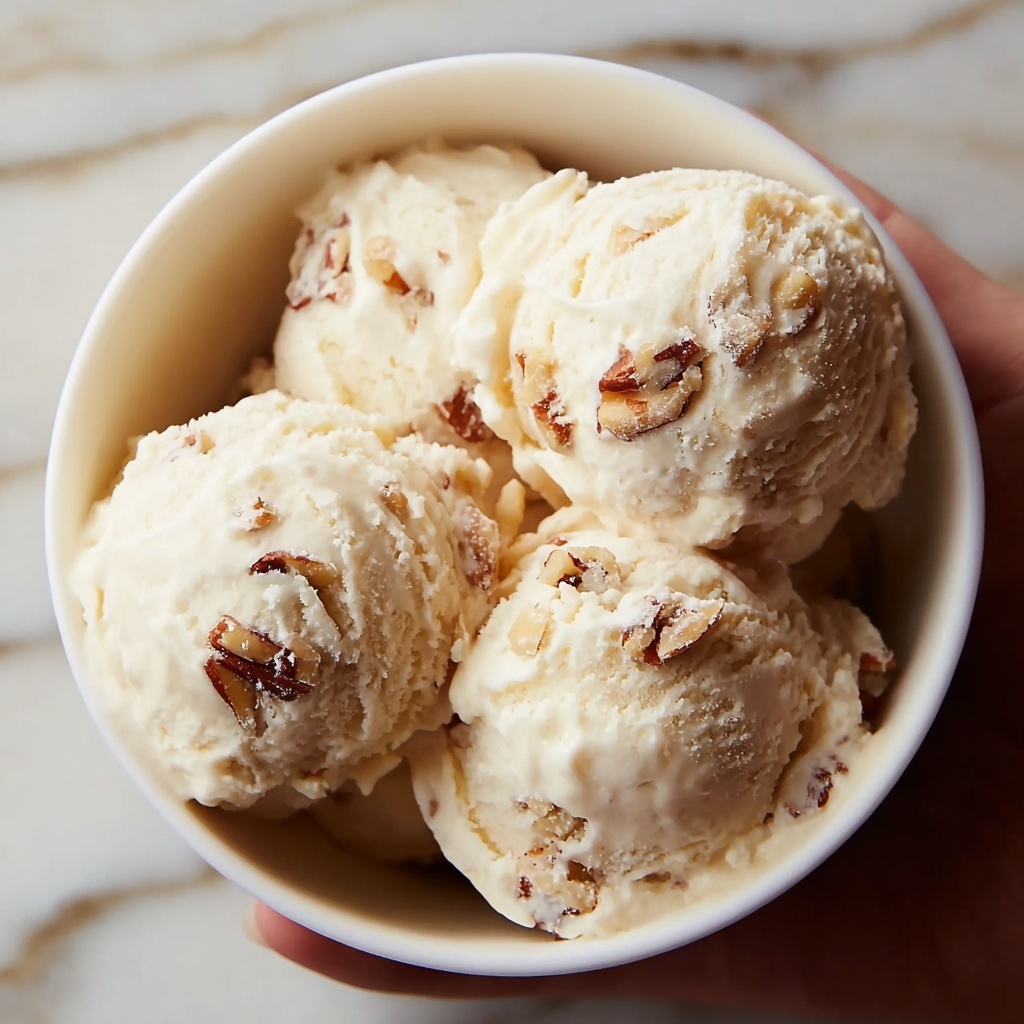
Ingredients You’ll Need
This recipe is a celebration of simplicity, learning how a handful of basic ingredients come together to create something extraordinary. Each component plays a key role — from texture to taste, every ingredient makes sure your divinity turns out perfectly every single time.
- 2 1/2 cups granulated sugar: The backbone of sweetness, ensuring your candy has that classic sugary bite.
- 1/2 cup light corn syrup: Helps prevent crystallization and gives the candy its smooth, creamy finish.
- 1/2 cup water: Dissolves the sugar and brings everything together during cooking.
- 2 large egg whites, room temperature: Whipped to create that fluffy, airy structure that’s signature to divinity.
- 1 teaspoon vanilla extract: Adds a warm, natural aroma that complements the sweetness superbly.
- 1/2 cup chopped pecans (optional): For a delightful crunch and nutty contrast, enhancing the candy’s texture and flavor.
How to Make Homemade Divinity Candy with a Touch of Vanilla Recipe
Step 1: Prepare the Sugar Syrup
Start by combining your granulated sugar, light corn syrup, and water in a medium saucepan. Stir gently just enough to dissolve the sugar before placing it over medium heat. It’s crucial not to stir once boiling begins to avoid grains forming. Bring this mixture to exactly 250°F — the hard ball stage — for that perfect firm yet tender texture in the finished candy.
Step 2: Whip the Egg Whites
While awaiting your syrup, take the egg whites and beat them energetically with an electric mixer on high speed. You want stiff peaks here, so the egg whites hold their shape firmly without collapsing. This fluffy base is what gives divinity its signature lightness, so don’t rush this step!
Step 3: Combine Hot Syrup With Egg Whites
Once your sugar syrup reaches 250°F, quickly remove it from the heat. Slowly drizzle the hot syrup into the whipped egg whites while continuing to beat at high speed. This gradual mixing is key to incorporating the syrup without deflating the egg whites and creating the ideal texture.
Step 4: Flavor and Finish the Mixture
Add in the vanilla extract to infuse that gentle, aromatic warmth. Beat the candy mixture further for about 5 to 7 minutes until it thickens significantly and loses its shiny gloss. When you drop a spoonful onto parchment, it should hold its shape firmly — this is your sign the candy is perfectly ready. If you’re opting for pecans, gently fold them in at this stage for extra crunch and flavor.
Step 5: Shape and Set Your Candy
Using spoons, drop dollops of the divinity mixture onto parchment paper lined baking sheets. Allow the candy to set at room temperature, undisturbed, for 1 to 2 hours. Watching these pillows of sweetness solidify into the perfect bite is such a rewarding moment—it’s like edible clouds forming right before your eyes!
Step 6: Store for Enjoyment
Once your homemade divinity candy pieces are firmly set, transfer them to an airtight container. They’ll keep beautifully at room temperature for up to a week. This step is great for preparing gifts ahead of time or making a sweet batch ready to enjoy throughout the week.
How to Serve Homemade Divinity Candy with a Touch of Vanilla Recipe
Garnishes
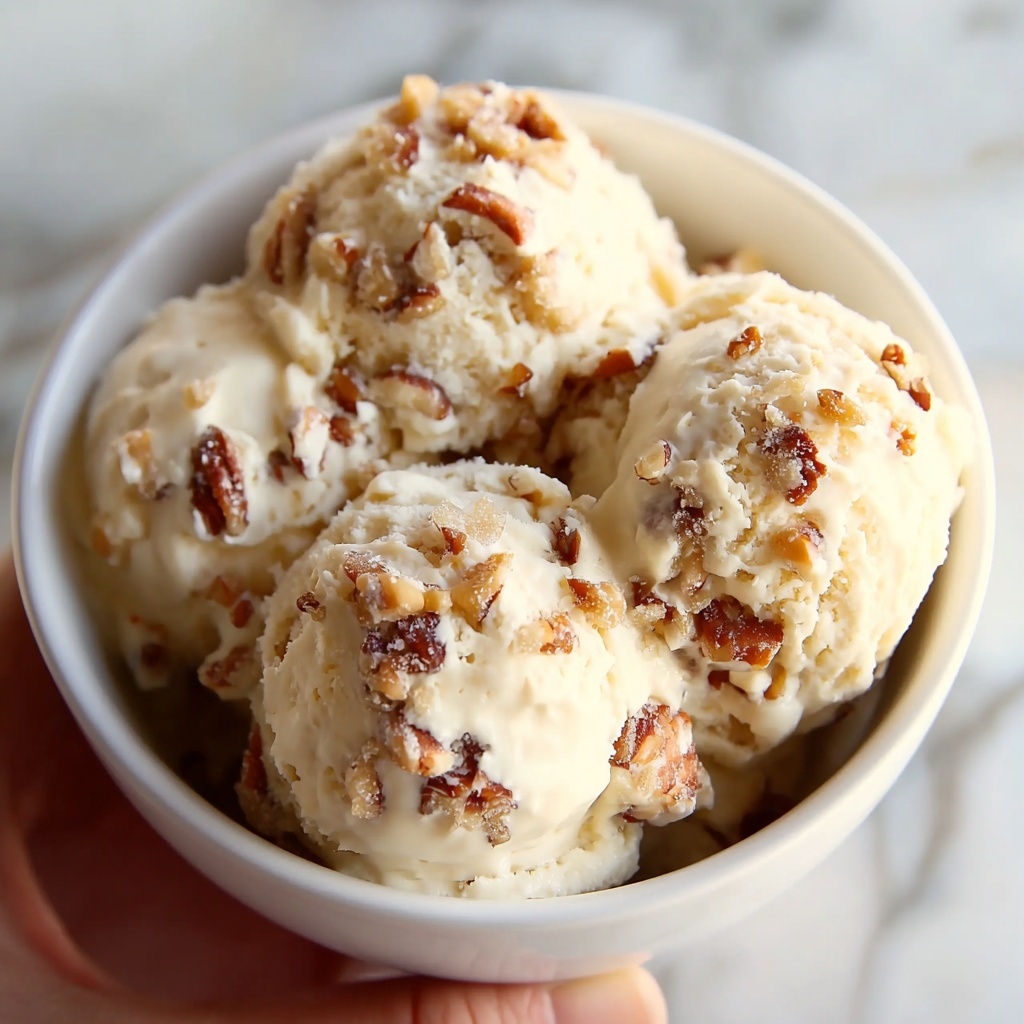
Sprinkling a few extra chopped nuts on top just before the divinity sets adds a rustic, inviting look plus an added crunch. For an elegant touch, dust lightly with edible gold flakes or colorful nonpareils during the last few minutes of beating. These small accents turn simple candy into a showstopper that’s perfect for gifting or parties.
Side Dishes
This candy pairs wonderfully with a cup of strong coffee or a creamy hot chocolate, balancing the sweetness and refreshing your palate. You might also serve it alongside fruit brie platters or toasted marshmallows for a delightful contrast of textures during festive gatherings.
Creative Ways to Present
Try placing each divinity piece in mini cupcake liners or cellophane treat bags tied with a festive ribbon. These thoughtful presentations add a homemade charm that will delight friends and family. Arranging pieces on a decorative glass plate or tiered stand can turn your candy into a centerpiece, inviting guests to indulge in a timeless sweet treat.
Make Ahead and Storage
Storing Leftovers
Keep your divinity candy in an airtight container at room temperature, away from humidity. This prevents the candy from becoming sticky or drying out, preserving its delicate texture and flavor for up to a week. Avoid refrigerating as cold air can make the candy sticky or grainy.
Freezing
While it’s usually best enjoyed fresh, you can freeze divinity candy if needed. Place pieces in a single layer on parchment in a freezer-safe container, separated by wax paper to avoid sticking together. When thawed at room temperature, texture may slightly soften, but the flavor remains delightful.
Reheating
Divinity candy is best enjoyed without reheating. However, if it becomes too firm or dry, allow it to warm gently to room temperature before serving; avoid microwaving as it can alter the texture and cause the candy to become sticky or melt.
FAQs
What makes my divinity candy sticky?
Sticky divinity usually results from humidity or not beating the mixture long enough to remove moisture. Ensuring your candy sets in a dry, room-temperature environment and beating until thick and dull will help prevent stickiness.
Can I use other nuts besides pecans?
Absolutely! Walnuts, almonds, or even chopped pistachios work beautifully in divinity for different textures and flavors. Just fold them in gently at the end, like the recipe suggests for pecans.
Why does my divinity candy turn out grainy?
Graininess occurs when sugar crystallizes. Avoid stirring the sugar syrup while boiling and ensure your spoon and bowl are free of any residual sugar crystals. Using corn syrup as in this recipe also helps inhibit crystallization.
Can I add food coloring to my divinity?
Yes! Adding a few drops of food coloring during the final beating can make your divinity even more festive and fun. Soft pastel tones or vibrant hues both work well with this fluffy candy base.
Is it necessary to use a candy thermometer?
For the best result, yes. The syrup reaching 250°F is the key to setting the correct candy stage. While some experienced candy makers use the cold water test, a thermometer guarantees precision for this delicate confection.
Final Thoughts
There is something truly magical about making divinity candy at home, especially following this wonderful Homemade Divinity Candy with a Touch of Vanilla Recipe that brings out the nostalgic joy of classic, old-fashioned sweets. It’s a recipe that invites you to slow down, enjoy the process, and savor the delightful reward of each fluffy, vanilla-kissed bite. I can’t wait for you to try this recipe and make it a beloved tradition in your kitchen as well!
Print
Homemade Divinity Candy with a Touch of Vanilla Recipe
- Prep Time: 15 minutes
- Cook Time: 15 minutes
- Total Time: 30 minutes plus 1-2 hours setting time
- Yield: Approximately 20 pieces
- Category: Candy
- Method: Stovetop
- Cuisine: American
Description
This Homemade Divinity Candy recipe produces light, fluffy, and sweet treats with a delicate vanilla flavor and an optional nutty crunch from pecans. Perfect as a classic holiday candy or a special homemade gift, these candies have a melt-in-your-mouth texture and a beautiful glossy finish.
Ingredients
Divinity Candy Ingredients
- 2 1/2 cups granulated sugar
- 1/2 cup light corn syrup
- 1/2 cup water
- 2 large egg whites, room temperature
- 1 teaspoon vanilla extract
- 1/2 cup chopped pecans (optional)
Instructions
- Prepare Sugar Syrup: In a medium saucepan, combine the granulated sugar, light corn syrup, and water. Stir gently to dissolve the sugar. Bring the mixture to a boil over medium heat, and continue cooking until the temperature reaches 250°F, the hard ball stage, on a candy thermometer. Avoid stirring the syrup during boiling to prevent crystallization.
- Beat Egg Whites: While the syrup is heating, place the egg whites in a large bowl. Using an electric mixer on high speed, beat the egg whites until stiff peaks form, which means they stand straight up when the beaters are lifted.
- Combine Syrup with Egg Whites: When the sugar syrup reaches 250°F, remove the saucepan from heat. Slowly pour the hot syrup in a thin, steady stream into the beaten egg whites, continuing to beat on high speed. This gradual process helps incorporate the syrup without cooking the eggs prematurely.
- Add Flavor and Beat to Thickness: Stir in the vanilla extract immediately after pouring in the syrup. Continue beating the mixture for 5 to 7 minutes until it becomes thick, holds its shape firmly, and loses its glossy appearance. At this stage, if using, gently fold in the chopped pecans to distribute evenly.
- Form the Candies: Drop spoonfuls of the divinity mixture onto baking sheets lined with parchment paper. The spoonfuls should keep their shape and not flatten out too much. Allow the candies to set at room temperature for 1 to 2 hours until they are firm and dry to the touch.
- Storage: Once set, store the divinity candies in an airtight container at room temperature. They will keep fresh and maintain texture for up to one week.
Notes
- Ensure egg whites are at room temperature for better volume when beaten.
- Use a reliable candy thermometer to reach the precise hard ball stage.
- Do not stir the sugar syrup while boiling to avoid crystallization and graininess.
- For a nut-free version, omit pecans entirely or substitute with other nuts if desired.
- Store candies in a cool, dry place to maintain texture and prevent stickiness.